
There’s no doubt that the world we knew prior to COVID will look very different from the world we experience afterwards. Human contact, even in professional contexts, will be less tactile. Cubicle farms will likely become less common. Working remotely will probably become the norm in many circles. The age of remote meetings has dawned.
These post-pandemic realities might very well be imposing some additional challenges you have not considered.
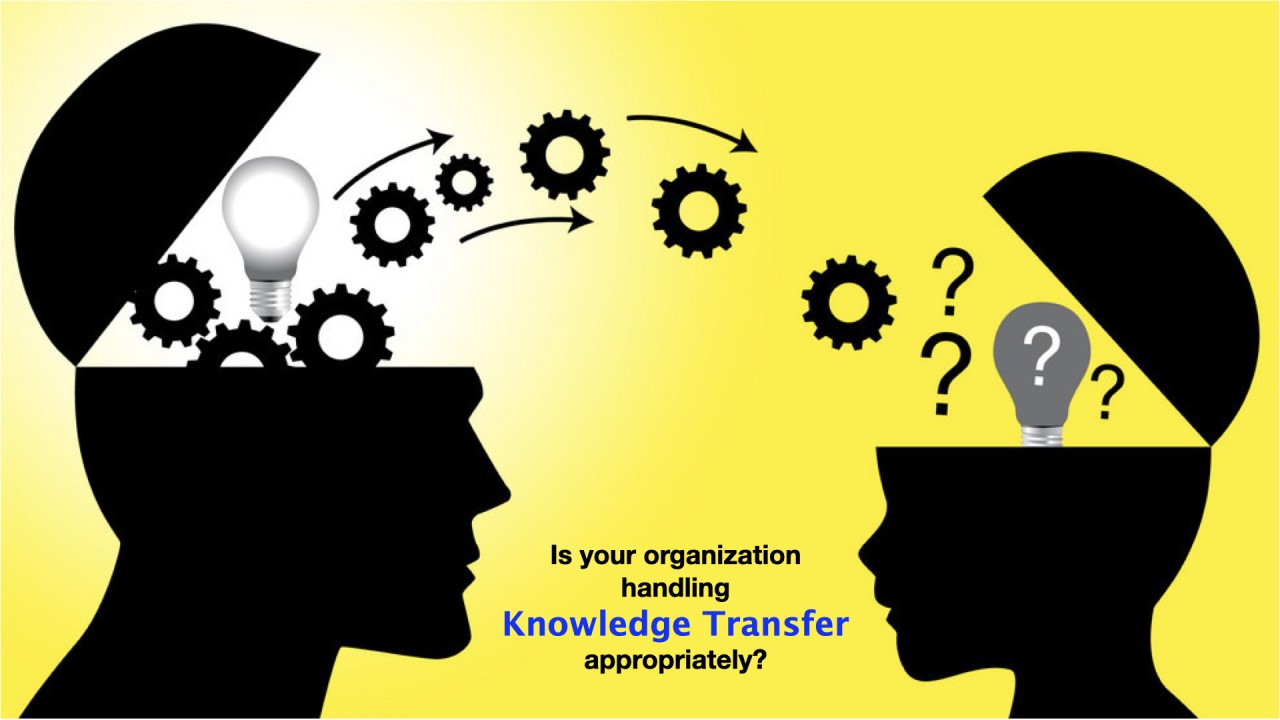
The vast majority of companies struggle to harvest and maintain the critical knowledge their particular business depends upon. Often this hyper-valuable information is referred to as tribal knowledge. Tribal knowledge is a dangerous game to be engaged in, and we usually don’t even realize that we are participating.
Conventional wisdom from the point of view of the worker has been to make yourself essential by holding knowledge and know-how. This mis-guided approach seems to protect the individual from dismissal at the expense of the community and the business. There is no greater good served and it puts the organization at tremendous risk. It also serves to put the perpetrator in a difficult position because the organization can not tolerate his absence for vacations, training, promotion, or retirement. This is untenable for all parties.
For this reason, have you developed a plan to address the knowledge-transfer problems we all face? At a time when down-sizing is common and companies are forced to restructure in a hurry just to survive – forcing retirements, layoffs, furloughs, and even shuttering forever – it’s too late to attempt to catalog critical knowledge in the midst of a calamity.
So how do we do it? Here are some simple pointers to apply to the knowledge transfer problem:
- Standardize work. All the work, whether in the office, the shop, or the front lines, needs to be standardized in a way that the approach is consistent and logical for anyone in the organization. Whenever possible, the steps to complete work need to be committed to paper for people to reference. If you want enhanced standardization, consider the Japanese methodology of Poka-Yoke where potential errors are avoided.
- Simplify, simplify, simplify. Take a close look at the steps you’ve documented. Can these steps be reduced, automated, eliminated, or simplified in another way? Spend time looking at your most complicated processes and see if a little ingenuity will make the process easier for everyone involved.
- Address your culture. Tribal knowledge thrives in cultures where individuals are mistrusting of the organization. Tribal knowledge is a killer and needs to end, but it will be nearly impossible until organizational trust is established. After all, this special knowledge is their ace in the hole and they won’t surrender it until things are safe.
- Consider mentoring. The mentoring relationship is a powerful tool to be sure essential knowledge is safely passed from one generation to the next. Often, subject matter experts are open to sharing their massive knowledge but there doesn’t seem to be anyone interested in absorbing it.
- Actively train. Unfortunately, most people when starting a new position are told to “figure it out” and get little or no formalized training. It’s unlikely that they will stumble accidentally upon the most efficient, effective, or accurate methodologies on their own. That would be an unreasonable expectation. Therefore, leave little to chance and train people for the tasks they are intended to perform. You’ll be glad you did.
- Incorporate into your MOC. If you have a formalized Management-of-Change process, be sure to include knowledge transfer issues in the analysis. It is easy to overlook. MOC should contemplate any risks associated with a proposed change, so don’t forget to consider if there is valuable knowledge associated with certain individuals to be accounted for.
Lean in and Lean on.