
There are numerous accounts out there of the mission to capture Osama Bin Laden. Each story recounts the painstaking intelligence gathering, planning, and highly precise execution of the early morning raid. What is often glossed over is the ridiculous amount of training that the soldiers did to cover each and every conceivable scenario that they might encounter. Seal Team Six had no less than three exact replicas of Bin Laden’s compound on which they practiced their maneuvers over several weeks. The drill was repeated dozens of times with precision, many of which with small intentional deviations to help prepare the team for their ultimate mission. Consider the cost and time that was invested to make sure the mission was a success.
One might ask, why bother? Aren’t these highly trained and elite soldiers? Why couldn’t this mission have been executed off the cuff, without all this extravagant preparation? I think movies and paperback fiction have deceived us into believing that talent and ability are sufficient to ensure success. This is far from true. Every military, emergency response service, and competitive sports team understands and appreciates that it cannot perform at its best without rigorous and discipled practice.
The idea that we can put a plan in motion and expect automatic success is unrealistic, yet in industry this is often the way we operate. True, routine activities may have a degree of practice built-in to the process. Assembly line work and other repetitive actions might eventually work out ok without deliberate drills but it’s the occasional, the non-standard, the new, and the crisis activities that will never perform as intended unless we prepare for them in the form of practice. Introducing or testing a new process will require rigorous exercises to thoroughly evaluate it. Infrequent activities, contingency plans, or crisis scenarios require rehearsals to be executed properly. We’ve conducted fire drills all our lives for this reason.
The Seal Team example is remarkable on many levels. One of the wise decisions early in the planning stage was to vary the scenario somewhat each time it was run. These changes were usually not communicated to the team before the drill, but in real time during the exercise. By doing so, the team was exposed to new challenges that simultaneously reinforced teamwork and stimulated rapid problem-solving skills. With these experiences under their belts, there was no room for panic in the event of a mission-related abnormality. They had virtually seen it all before. Indeed, unforeseen problems did occur during the actual mission, but the team was able to proceed without stumbling due to their extensive training and experience.
Panic is a strange human phenomenon. It can cause system paralysis in some instances. In other instances it may provoke people to take irrational, unhelpful and unpredictable actions. All of these outcomes represent enormous risk for our companies and to us individually. Panic stems from being exposed to the unfamiliar and feeling unprepared. Given this reality, we have little excuse for actually being unprepared.
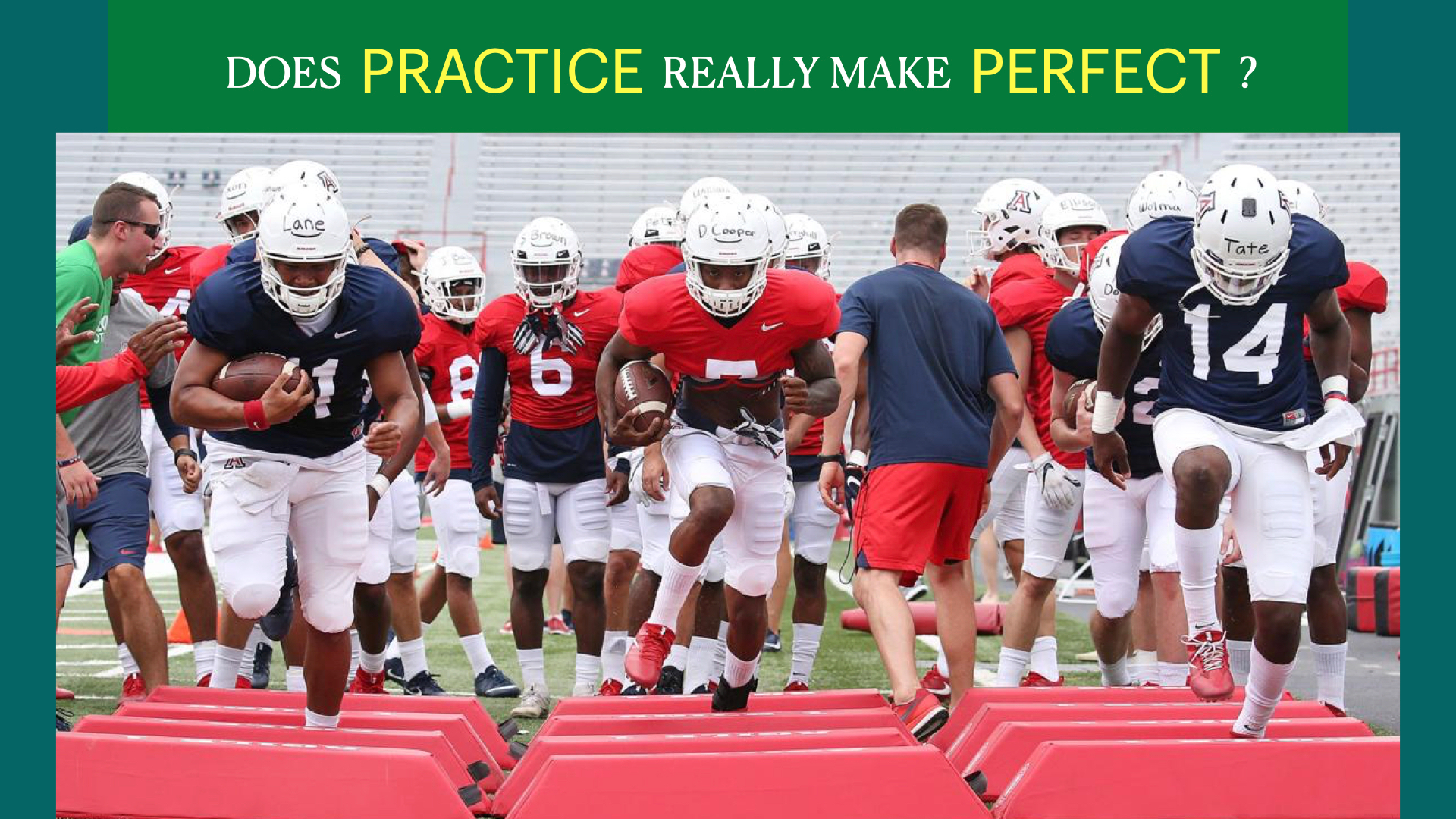
Whether we call it practice, drills, repetition, exercises, training, or rehearsal, we establish the standard routine in our neural network so that our internal auto-pilot eventually takes the dominant role. This leaves more of our conscious creative mind available to deal with the anomalies and problems we encounter along the way. Without practice, we will have no option but to resort to applying valuable mental energy and focus to our every process.
Over the years one issue has been supremely prominent in nearly every root-cause exercise and process FMEA I’ve every participated in: inadequate training. Please take some time to evaluate whether adequate training and hands-on practice is being overlooked in your situation. Risk is great in the absence of practice. Turns out that success is something you can prepare for, but it won’t come without sweat equity. No pain, no gain.
Lean in and Lean on.