
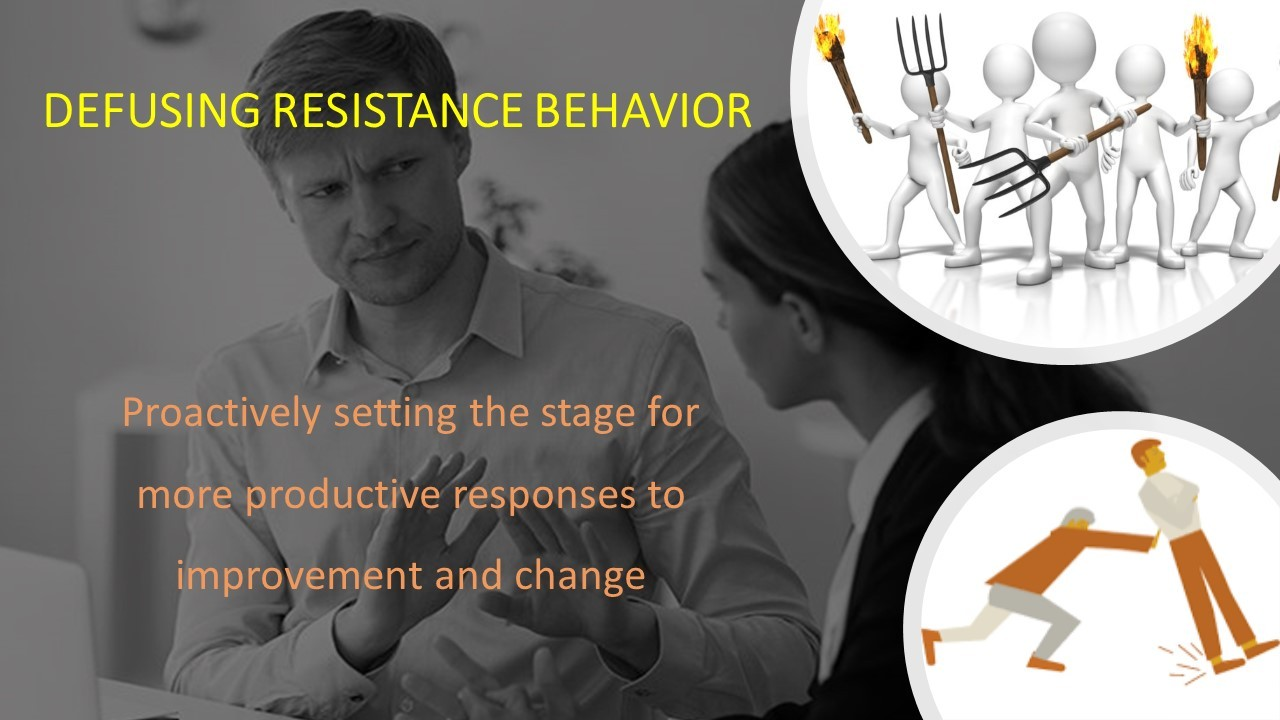
Have you ever wondered why we behave the way that we do? Is behavior of the individual or the organization a fixed matter, something possibly predetermined by nature and therefore futile to control or influence? Or is behavior, perhaps, just a reaction to aggregate stimuli? Maybe the truth lies somewhere in between. When we attempt to make productive changes – and make them stick – we need to be familiar with the forces at play in human behavior, lest we become mired in frustration and backsliding.
Generally, psychology today recognizes that action (or in many cases obstinate inaction) is provoked by what is typically referred to as an antecedent. Like it or not, our behavior is usually an almost impulsive reaction to our environment, not a conscious activity motivated by pure imagination and free-will. As such, we humans rarely take time to reflect and determine the why behind our behavior. Without antecedents of some kind, there is no action. These antecedents influence us in profound ways. Some invoke a feeling of safety and drive us to relent, relax or engage. Some however, can stimulate negative feelings, stir anxiety, or even trigger the fight-or-flight response.
Intense resistance to change is common phenomena and all organizations experience it to one degree or another. What many Management of Change methodologies can overlook is the tremendous role that existing cultural forces play in implementing improvements.
I like to say that “Policies drive Behavior”, but it’s not entirely that simple. Policies must be understood in a much broader sense and we must examine the cause&effect nature of these forces. Policies would include the cultural norms and expectations of the enterprise, including the practices that are rewarded and also those that are punished. What virtues does the organization esteem? What consequences are there if these virtues are disregarded? What is the example that is being modelled by the leadership of the organization? Who gets rewarded, how are they rewarded, and – most importantly – why? Be aware of what unintended behaviors your policies might be incentivizing.
These powerful cultural forces can be consciously determined at the executive level but are usually just part of the day-to-day framework of normal operations to the rest of the organization. For that reason, we must be highly intentional about how we regulate these internal influences.
Be mindful that these back-room dynamics might be invisible to your customer for a time, but if poorly managed they will undermine your business until your competitive advantage is eroded irreparably. If you want to be recognized as a customer-centric organization, be certain that your culture is driving you in that direction instead of away from it. If you want to be agile and quick to leverage change to propel the business forward, take the time to ensure that your culture values and embraces courage over comfort and change for the better. Your culture provides the fuel for your perpetual transformation. Don’t neglect it.
1. Clearly and succinctly define the values of the organization and refer to them religiously.
2. Carefully examine your objectives and how you intend to measure your progress for signs of incentivization of undesirable behavior.
3. Confirm that your recognition, compensation and promoting practices are truly in line with your organizational values.
4. Review your policies regularly with an eye on how they might be potentially misused for personal benefit.
5. Promote team-based rewards and recognitions over individual ones to reinforce and promote the virtue of collaboration.
6. Regularly solicit employee feedback using internal surveys and even exit interviews to stay on top of the pulse of the organization, noting concerns and perceptions.
In short, incentivize the behavior you want and dis-incentivize the behavior you don’t. Easier said than done, for certain, but if you hold to your core values and dependably model the conduct you desire, cultural alignment will eventually follow and take root.
Lean in and Lean on.